

https://charlesives.org/question-better-answer
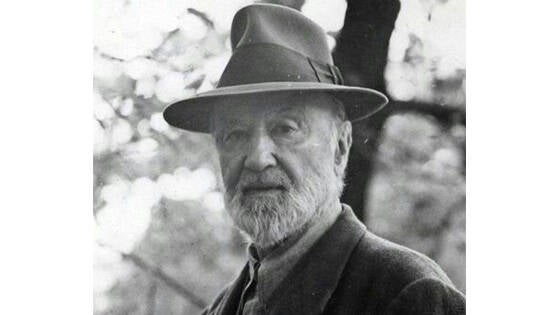
"Charles Ives (1874–1954) was a visionary American composer who treated art, business, and politics as interconnected expressions of human freedom and democratic idealism. His philosophy blended radical musical innovation with a deep-rooted belief in individuality and spiritual evolution.
Key Philosophical Pillars
- American Transcendentalism: Deeply influenced by 19th-century thinkers like Ralph Waldo Emerson and Henry David Thoreau, Ives believed in the innate divinity of human beings, the harmony of nature, and the rejection of rigid orthodoxies. This philosophy shaped major works like his Concord Sonata.
- Musical Democracy and Pluralism: Ives envisioned a musical landscape where all experiences could coexist. He democratically elevated the vernacular (hymns, marches, ragtime, folk songs) to the same level as European classical traditions. To him, a chaotic collage of town bands playing different tunes at once was a true reflection of the American experience.
- "Substance" Over "Manner": Ives believed that the spirit or "substance" of art—its earnestness, vitality, and emotional core—was far more important than its technical polish, traditional beauty, or "manner". He viewed dissonance and discordance not as mistakes, but as truthful reflections of life's struggles and complexities.
- Active Listening & Truth: His famous piece The Unanswered Question embodies his philosophical inquiry into existence. Ives believed that music should pose questions rather than hand out easy answers, requiring the listener to actively engage and participate in the art"
THE UNANSWERED QUESTION
1906-07 Composed around 1906-07, The Unanswered Question is perennially Ives's most popular work and one of his most prophetic. It is a kind of musical collage in three layers.
https://youtu.be/WBiL0VEttZw?si=hVnfFYJR0-fkE_3V