About the "Tango"
History of the Tango
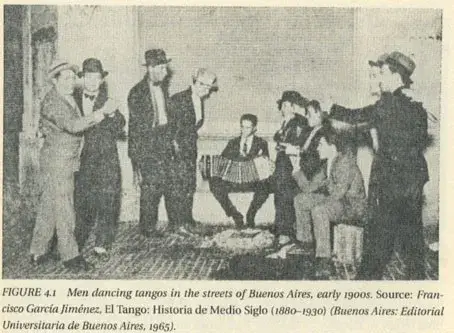
Early tango was a gritty fusion of African, indigenous, and European immigrant cultures born in the working-class port slums of Buenos Aires and Montevideo around the 1880s. Initially danced by men in local cabarets and brothels, it transitioned from a scandalous, lower-class rebellion into a refined, international dance craze by the early 1900s. [1, 2, 3, 4]
History
The Origins
- Cultural Fusion: Early tango (often called tango criollo) combined the Cuban habanera, the fast Argentine milonga, and traditional African candombe rhythms. [1, 2]
- The Sound: It originally featured flutes, guitars, and violins, but the inclusion of the German bandoneon (a type of concertina) gave it its signature, melancholic depth. [1, 2, 3, 4, 5]
- The Reputation: Because of its roots in impoverished neighborhoods and its close, provocative physical contact, early tango was heavily restricted by authorities and widely considered indecent by high society. [1]
The European Craze (1900s–1910s)
- Crossing the Ocean: Wealthy Argentine youth travelling to Europe brought the dance to Paris, where it quickly became an obsession.
- Standardization: European dance teachers systematized the steps, making it more socially acceptable for the upper classes.
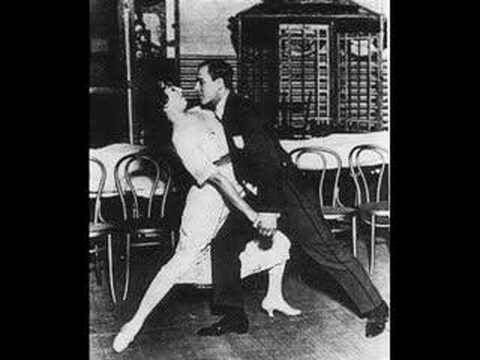
- Open Embrace: Unlike the highly structured, close-embrace style common in Argentina, the early European tango relied on an open frame that allowed dancers more room to cross their feet. [1, 2, 3, 4]
The Evolution
- Changes in Style: While early 20th-century tango was energetic and spirited, by the 1920s it evolved into the smoother, more formalized "Ballroom Tango" made famous in silent films. [1, 2]
- Musical Eras: Historians refer to this early developmental period (roughly 1895–1910) as La Guardia Vieja (The Old Guard), which laid the foundational structure for the music before the Golden Age of tango took over in the 1940s. [1, 2]
Habanera
The Habanera is a syncopated music and dance style that originated in Havana, Cuba, in the early 19th century. Born from a blend of European contradanza and African polyrhythms, it became the first Cuban music to gain international popularity and profoundly shaped the development of modern Latin music, jazz, and the tango.
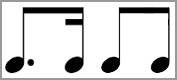
The musical descendant of the contradanza, the habanera or contradanza habanera (Havana-style contradanza), the habanera's distinguishing musical feature is its short, repeating 2/4 rhythmic figure in the bass line:
Cuban musicologist Emilio Grenet calls habanera "perhaps the most universal of our genres" because of its far-reaching influence on the development of many Latin American song forms such as the Argentine tango and its frequently Europeanized treatment in classical music, such as in Georges Bizet's 1875 opera, Carmen, in which the title character sings the now-famous habanera aria.
In 1884 Sebastian Yradier's "La Paloma" became the first exported habanera to gain popularity in Mexico. Already decade before, any music in Mexico with the habanera rhythm was called danza. In 1890, Eduardo Sanchez de Fuentes' habanera "Tu" became so popular, both within and outside of Cuba, that it epitomized the form. Its absorption in Buenos Aires was such that early 20th-century French publishers mistook its origin and printed the sheet music as an example of "tango habanera."
According to preeminent Cuban music historian Alejo Carpentier, the habanera was never called such by the people of Havana (for them it was just the local style of contradanza). It only adopted its present name when it became popular outside of Cuba.
The Milonga
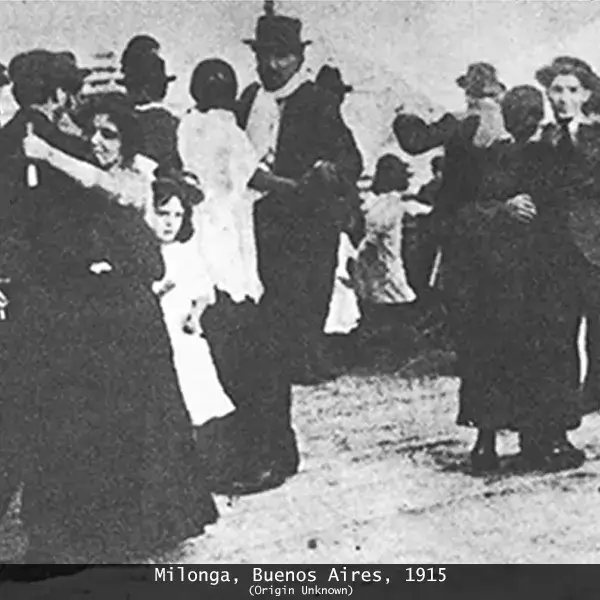
A milonga refers to three distinct but deeply interconnected elements within Argentine tango culture: a musical genre, a style of dance, and a social dance event. Originating in the 19th century within the Río de la Plata region of Argentina and Uruguay, it serves as the rhythmic precursor to modern tango. [1, 2, 3]
1. The Musical Genre
Milonga music is a fast-paced, rhythmic genre with a strong African and European heritage. [1, 2]
- Rhythm: It utilizes a quick 2/4 or 4/4 tempo.
- Roots: It evolved from the syncopated rhythms of the Afro-Argentine candombe and the Spanish-influenced habanera.
- Instrumentation: Songs are typically driven by the guitar, violin, piano, and the distinct sound of the bandoneon. [1, 2, 3]
2. The Dance Style
As a dance, milonga is characterized by its playful, lighthearted, and rapid footwork compared to the dramatic, slow pauses of standard tango. [1, 2]
- The Pace: Dancers take smaller, sharper, and more rhythmic steps to match the high tempo.
- Milonga Lisa: The classic style where dancers take a step on every single beat of the music.
- Milonga Traspié: An advanced style incorporating syncopation, where dancers make quick double-steps or change weight rapidly across beats. [1, 2, 3, 4]
3. The Social Event
A "milonga" is also the term used for a dedicated social dance party or venue where people gather to dance tango, vals, and milonga. [1, 2]
- The Structure: Music is organized into sets called tandas (usually 3 to 4 songs of the same style), separated by a brief musical interlude known as a cortina. [1, 2, 3, 4]
- The Etiquette: Social dancing at these events relies on traditional codes of conduct, most notably the cabeceo—a discreet nod or look across the room used to invite someone to dance.
"taking the tango out of the bordello"
The famous phrase "taking the tango out of the bordello" refers to the historical transformation of Argentine tango from a marginalized, illicit dance in the brothels of 19th-century Buenos Aires into a respectable, globally celebrated art form. [1, 2, 3]
History of Tango
Tango originated in the 1880s in the impoverished immigrant slums and port districts of Buenos Aires, Argentina (and Montevideo, Uruguay). It emerged from a rich blend of African rhythms (like the candombe), European folk dances (like the habanera and polka), and the music of local gauchos. [1, 2, 3, 4, 5]
Because Argentina suffered a massive gender imbalance at the time—with far more immigrant men than women—prostitution was a booming industry. As a result, the early tango was initially danced in bordellos and dive bars. [1, 2, 3]
- Who danced it: Men often waited in long lines for a turn with the female workers. While they waited, they would practice dancing with each other to pass the time and improve their skills to woo women outside the brothels. [1, 2]
- The nature of the dance: It was highly erotic, aggressive, and intimate, symbolizing the tense dynamics between a pimp and a prostitute. [1, 2, 3]
Moving "Out of the Bordello"
In the early 1900s, this "dirty dancing" was strictly condemned by the elite classes and the Catholic church. However, wealthy Argentine youths traveling to Paris began bringing the dance back to Europe. When European high society fell in love with tango, it finally gained respect back in Argentina