

About the "MILONGA"
A milonga refers to three distinct but deeply interconnected elements within Argentine tango culture: a musical genre, a style of dance, and a social dance event. Originating in the 19th century within the Río de la Plata region of Argentina and Uruguay, it serves as the rhythmic precursor to modern tango. [1, 2, 3]
1. The Musical Genre
Milonga music is a fast-paced, rhythmic genre with a strong African and European heritage. [1, 2]
- Rhythm: It utilizes a quick 2/4 or 4/4 tempo.
- Roots: It evolved from the syncopated rhythms of the Afro-Argentine candombe and the Spanish-influenced habanera.
- Instrumentation: Songs are typically driven by the guitar, violin, piano, and the distinct sound of the bandoneon. [1, 2, 3]
2. The Dance Style
As a dance, milonga is characterized by its playful, lighthearted, and rapid footwork compared to the dramatic, slow pauses of standard tango. [1, 2]
- The Pace: Dancers take smaller, sharper, and more rhythmic steps to match the high tempo.
- Milonga Lisa: The classic style where dancers take a step on every single beat of the music.
- Milonga Traspié: An advanced style incorporating syncopation, where dancers make quick double-steps or change weight rapidly across beats. [1, 2, 3, 4]
3. The Social Event
A "milonga" is also the term used for a dedicated social dance party or venue where people gather to dance tango, vals, and milonga. [1, 2]
- The Structure: Music is organized into sets called tandas (usually 3 to 4 songs of the same style), separated by a brief musical interlude known as a cortina. [1, 2, 3, 4]
- The Etiquette: Social dancing at these events relies on traditional codes of conduct, most notably the cabeceo—a discreet nod or look across the room used to invite someone to dance.
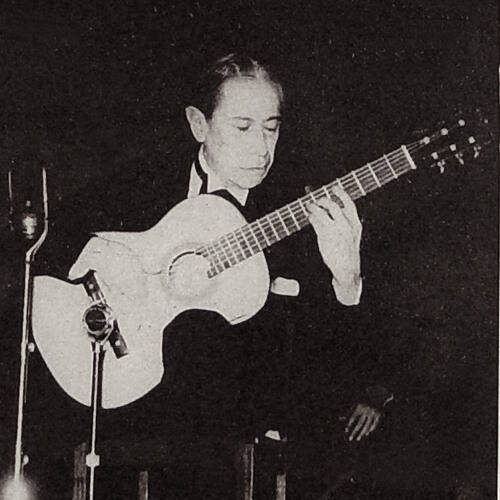
Agustín Barrios Mangoré wrote one primary, iconic milonga for classical guitar: Milonga (Estilo Criollo) (composed around 1914). This beautiful piece captures the soulful, lighthearted character of the traditional song and dance genre from Argentina and Uruguay, featuring Barrios's signature rhythmic cross-meter.